
Understanding the psychology behind gambling behavior
The Allure of Gambling
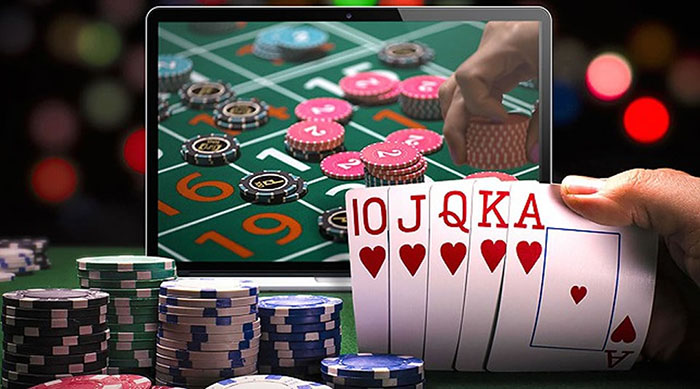
The psychology of gambling is deeply intertwined with the thrill and excitement it generates. Many individuals are drawn to gambling because it presents an opportunity for potential rewards, creating a sense of anticipation. This excitement can trigger the release of dopamine, a neurotransmitter associated with pleasure, making the act of gambling itself a highly stimulating experience. As individuals engage in gambling activities, the prospect of winning can overshadow rational thinking, driving them to continue playing even after experiencing losses. To learn more, you can visit https://propowerwash.com/board/upload/threads/advice-on-gambling.35159/, where discussions on various aspects of gambling take place.

Furthermore, the environment in which gambling occurs can amplify these psychological effects. Casinos, for example, are designed to be visually stimulating, often featuring bright lights and engaging sounds that reinforce the overall experience. This sensory overload can heighten emotional responses, making it more challenging for individuals to resist the urge to gamble, even when they know the odds are not in their favor.
The Role of Cognitive Biases
Cognitive biases significantly impact gambling behavior, often leading individuals to make irrational decisions. One of the most common biases is the illusion of control, where gamblers believe they can influence the outcome of games based on their skills or strategies, despite the inherent randomness involved. This mindset can foster a false sense of confidence, encouraging continued participation even when the odds are unfavorable.
Another critical bias is the gambler’s fallacy, where individuals mistakenly believe that past events can affect future outcomes. For example, if a player has experienced a series of losses, they may feel that a win is “due” or imminent, prompting them to continue gambling. These cognitive distortions not only perpetuate gambling behavior but can also lead to increased financial risks and emotional distress.
The Social Influence on Gambling
The social environment plays a crucial role in shaping gambling behaviors. Peer pressure and social norms can encourage individuals to gamble, often framing it as a form of entertainment or bonding activity. In many cultures, gambling is normalized, and the social acceptance of this behavior can further entrench individuals in a cycle of gambling, even if they face negative consequences.
Additionally, the rise of online gambling platforms has transformed the social aspect of gambling. Many players engage with communities that share similar interests, fostering a sense of belonging. However, while this community can provide support, it can also encourage unhealthy behaviors, as individuals may feel compelled to gamble more to maintain their status within the group or to impress others.
Emotional Triggers and Gambling
Gambling is often closely linked to emotional states, with many individuals using it as a coping mechanism for stress, anxiety, or depression. The temporary escape that gambling offers can be appealing, as it allows individuals to detach from their problems. However, this reliance on gambling for emotional relief can lead to a cycle of addiction, where individuals find themselves gambling more frequently to achieve the same emotional high. Pin Up Africa is often discussed in terms of various approaches to understanding these emotional triggers.
Understanding these emotional triggers is essential for addressing gambling-related issues. By identifying the underlying feelings that drive the behavior, individuals can seek healthier coping strategies and interventions. This insight can pave the way for recovery and promote healthier relationships with gambling and other forms of entertainment.
Exploring Resources and Community Support
If you’re seeking to understand more about gambling behavior and its psychological aspects, the Pressure Washing Institute offers a supportive platform where you can engage in meaningful discussions. Here, members can share experiences, discuss strategies, and recommend trustworthy gambling websites. This community fosters a space for both seasoned players and newcomers to explore the complexities of gambling while providing insights that can help navigate this thrilling yet challenging landscape.
Joining a community like this can be instrumental in gaining a clearer understanding of personal gambling habits and making informed decisions. Through shared experiences and collective knowledge, you can find valuable information to support responsible gambling practices while connecting with others who share your interests.